3 Jun

Ocean Air and Healthy Routines: A Holistic Guide to Beach Living for Recovery and Mental Clarity

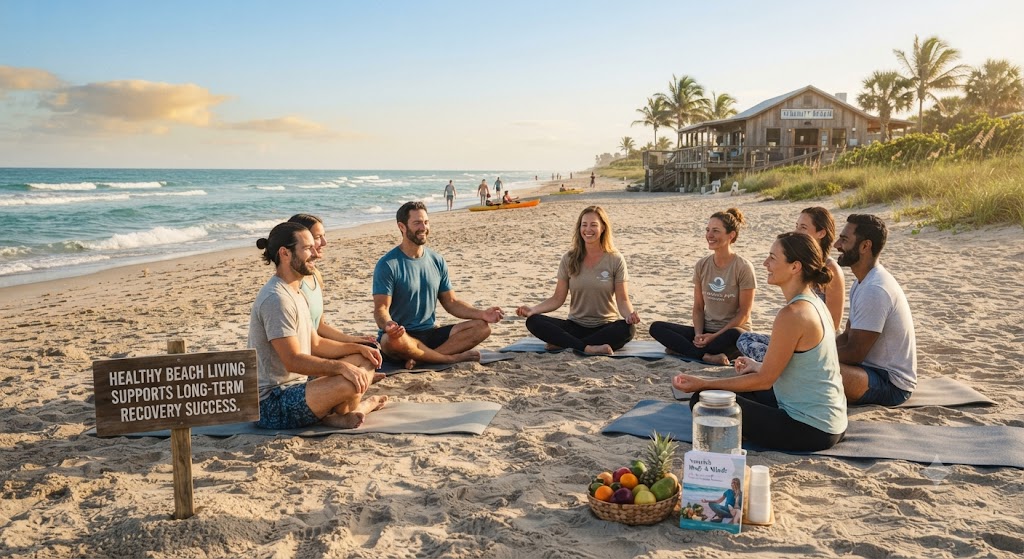
Recovery from addiction and ongoing mental health challenges requires more than clinical treatment alone. It requires a lifestyle that supports emotional stability, mental clarity, and physical well-being every day. While inpatient and outpatient care provide structure and professional guidance, long-term healing is strengthened through consistent routines and supportive environments. Beach living offers a unique foundation for this process. The combination of ocean air, natural light, and calming surroundings can help individuals build healthy habits that support recovery and improve mental clarity over time.

At D-Beach, where addiction recovery services, mental health treatment, inpatient care, outpatient support, and holistic individualized approaches come together, healing extends beyond therapy sessions. It continues into daily life, environment, and routine.

Why Ocean Air Supports Mental Clarity and Emotional Balance

The coastal environment has a direct influence on how the body and mind respond to stress. Ocean air is rich, clean, and naturally calming, which can help regulate breathing and reduce physical tension. For individuals in recovery, this sense of calm can be especially important when learning to manage triggers, anxiety, or emotional overwhelm.

The calming effect of natural coastal environments

The sound of waves, the scent of salt in the air, and the open horizon all contribute to a reduced stress response in the nervous system. These sensory experiences encourage relaxation and help the mind shift away from racing thoughts or emotional distress.

Natural environments like the beach also support better sleep quality and improved mood regulation. These factors are essential for maintaining long-term recovery and emotional stability.

Building Healthy Routines Through Beach Living

Healthy routines are a cornerstone of recovery. They create structure, reduce uncertainty, and support emotional balance. The beach naturally encourages habits that are both simple and effective.

1. Morning grounding with ocean air

Starting the day with fresh ocean air and quiet reflection helps establish emotional stability. A short walk along the shoreline or a few minutes of deep breathing near the water can help regulate the nervous system and prepare the mind for the day ahead.

This practice encourages mindfulness, which is a key skill in addiction recovery and mental health treatment.

2. Mindful movement for body and mind connection

Physical activity plays an important role in maintaining mental health. The beach provides a natural space for walking, stretching, swimming, or gentle exercise.

These activities help release endorphins, improve energy levels, and strengthen the connection between the mind and body. Over time, this supports emotional resilience and reduces the risk of relapse.

3. Reflection and journaling for emotional clarity

Taking time to reflect near the ocean allows individuals to process thoughts and emotions in a calm environment. Journaling during or after these moments can help track progress, identify emotional triggers, and reinforce positive changes.

This practice builds self-awareness, which is essential for long-term recovery success.

Supporting Recovery Through Holistic Practices

Holistic recovery focuses on healing the whole person, not just the symptoms of addiction or mental health challenges. Beach living naturally aligns with this approach by encouraging balance across mind, body, and spirit.

Spiritual reflection and inner peace

For many individuals, spiritual practices such as prayer, meditation, or quiet reflection are an important part of recovery. The beach offers a peaceful setting for these practices, helping individuals reconnect with purpose and meaning.

Faith-based recovery approaches often use these moments of stillness to strengthen hope and emotional grounding.

Reducing stress through natural surroundings

Chronic stress is one of the most common challenges in recovery. Spending time in natural environments has been shown to lower stress levels and improve emotional regulation. The ocean provides a consistent and calming presence that helps individuals feel more grounded and centered.

Building consistency through daily structure

Routine is essential for maintaining mental clarity. Healthy beach living encourages consistent habits such as morning walks, scheduled reflection time, and regular physical activity. These routines help create stability and reduce emotional unpredictability.

Integrating Professional Care with Lifestyle Practices

While healthy beach living offers powerful benefits, it works best when combined with professional treatment and support. Inpatient programs provide structured care and stabilization, while outpatient services offer ongoing guidance and accountability.

Holistic and individualized approaches ensure that each person’s recovery plan is tailored to their specific needs. Some individuals may benefit more from mindfulness and reflection, while others may focus on physical activity or spiritual practices.

When combined, professional care and healthy lifestyle routines create a strong foundation for long-term recovery and mental clarity.

Creating a Sustainable Path to Wellness

Sustainability is key in recovery. Small, consistent habits practiced daily are more effective than short-term efforts. Beach living supports this by making wellness practices accessible, enjoyable, and naturally integrated into everyday life.

Over time, these habits become part of a stable routine that supports emotional balance, mental clarity, and physical health.

Conclusion: Finding Clarity and Healing by the Ocean

Ocean air and healthy routines offer a powerful combination for individuals seeking recovery and mental clarity. The beach provides a natural environment that encourages mindfulness, reduces stress, and supports emotional healing through simple daily practices.

If you or a loved one is navigating addiction or mental health challenges, compassionate professional support can make a meaningful difference. Programs that combine evidence-based treatment with holistic and individualized care help build a strong foundation for lasting recovery.

Healing is not just about treatment. It is about creating a life that supports balance, clarity, and peace every day. With the right support and healthy routines, long-term wellness is possible, one day at a time.

28 May

Beyond Treatment: How Healthy Beach Living Helps Maintain Long-Term Sobriety and Emotional Health

Recovery does not end when treatment is completed. In fact, many individuals discover that life after inpatient or outpatient care is where some of the most important growth happens. Maintaining long-term sobriety and emotional health requires consistent habits, supportive environments, and healthy coping strategies that reinforce what was learned in treatment. Healthy beach living offers a natural extension of recovery by providing a calming, structured, and restorative environment that supports ongoing healing.

At D-Beach, where addiction recovery services, mental health treatment, inpatient care, outpatient programs, and holistic individualized approaches come together, the focus extends beyond stabilization. The goal is long-term wellness, emotional balance, and a sustainable life in recovery.

Why Life After Treatment Requires Ongoing Support

Completing treatment is a major milestone, but it is not the end of the recovery journey. Once structured care decreases, individuals often face new challenges such as daily stress, emotional triggers, and rebuilding routines in everyday environments.

Without continued support, these transitions can feel overwhelming. That is why developing healthy lifestyle practices is essential. Healthy beach living provides a natural way to reinforce emotional stability and maintain sobriety through consistent daily habits.

The importance of emotional regulation in recovery

Emotional regulation is one of the most important skills for long-term recovery. Stress, anxiety, and unresolved emotions can increase vulnerability to relapse if not managed effectively. The beach environment helps support emotional balance by creating a calming sensory experience that encourages mindfulness and reflection.

How Healthy Beach Living Supports Long-Term Sobriety

Healthy beach living is not just about relaxation. It is about creating a lifestyle that supports mental clarity, physical health, and emotional resilience. The coastal environment naturally encourages habits that align with long-term recovery goals.

1. Building daily structure through natural routines

Routine is essential for maintaining sobriety. The beach provides a natural setting for daily structure, such as morning walks, midday reflection, or evening relaxation by the water.

These consistent habits help reduce uncertainty and create stability, which is especially important during post-treatment adjustment periods.

2. Strengthening emotional resilience through mindfulness

Mindfulness is a key tool in recovery and emotional health. The beach makes mindfulness easier by engaging the senses in a calming way.

Listening to waves, feeling the breeze, or watching the tide encourages individuals to stay present. This helps reduce overthinking and supports healthier responses to stress and emotional triggers.

3. Encouraging healthy physical activity

Physical health plays a major role in maintaining emotional balance. Healthy beach living naturally encourages movement through walking, swimming, stretching, or light exercise.

These activities improve mood, increase energy levels, and support brain health by releasing natural endorphins. Over time, regular movement helps reinforce both physical and emotional stability.

Supporting Emotional Health in Everyday Life

Emotional health is an ongoing process that requires attention and care. The beach environment provides space for reflection and self-awareness, which are essential for continued healing.

Reflection and journaling by the water

Taking time to reflect near the ocean helps individuals process thoughts and emotions more clearly. Journaling can be a powerful tool for tracking progress, identifying triggers, and reinforcing personal growth.

Stress reduction through natural surroundings

Natural environments have been shown to reduce stress and improve overall well-being. The ocean’s rhythm creates a sense of calm that helps regulate the nervous system and reduce emotional overwhelm.

Building positive coping strategies

Healthy beach living encourages the use of positive coping strategies such as breathing exercises, meditation, or quiet reflection. These tools help individuals respond to challenges without turning to harmful behaviors.

Integrating Holistic Care with Lifestyle Practices

Long-term recovery is most successful when professional treatment and daily lifestyle habits work together. Holistic, faith-based, and individualized approaches recognize that each person’s journey is unique.

Inpatient and outpatient programs provide structure, guidance, and therapeutic support. Healthy beach living extends that support into daily life by reinforcing emotional balance and healthy habits outside of clinical settings.

When combined, these approaches create a strong foundation for lasting sobriety and emotional well-being.

Creating a Sustainable Recovery Lifestyle

Sustainability is key to long-term success in recovery. Healthy beach living supports this by making wellness practices simple, accessible, and enjoyable.

Over time, these daily habits become part of a stable lifestyle that naturally supports emotional regulation, mental clarity, and physical health.

Conclusion: Moving Beyond Treatment Toward Lasting Wellness

Recovery is not defined by a single moment. It is defined by the choices made every day afterward. Healthy beach living offers a meaningful way to support long-term sobriety and emotional health by encouraging mindfulness, movement, reflection, and structure.

If you or someone you love is navigating life after addiction treatment or mental health care, continued support can make all the difference. Compassionate, individualized care that combines evidence-based treatment with holistic healing approaches can help build a strong foundation for lasting recovery.

Beyond treatment, a healthier and more balanced life is possible. With the right support and daily practices, long-term sobriety and emotional wellness can continue to grow, one day at a time.

24 May

The Coastal Wellness Routine: Healthy Beach Living Practices for Stress Relief and Recovery Stability

Recovery is not built through one major breakthrough alone. It is strengthened through consistent daily routines that support emotional balance, mental clarity, and physical well-being. For individuals navigating addiction recovery and mental health challenges, stress management becomes a critical part of maintaining long-term stability. Healthy beach living offers a natural and holistic way to support that process. The calming rhythm of the ocean, combined with intentional wellness habits, can help reduce stress, strengthen resilience, and reinforce the progress made through treatment.

At D-Beach, where addiction recovery services, mental health treatment, inpatient care, outpatient programs, and individualized holistic approaches are central to healing, recovery is viewed as a whole-person journey. A coastal wellness routine can become an important part of that long-term path toward sobriety and emotional wellness.

Why Stress Relief Matters in Recovery

Stress is one of the most common triggers for relapse and emotional setbacks after treatment. During recovery, the nervous system is often still adjusting after prolonged substance use, emotional trauma, or mental health struggles. Without healthy coping mechanisms, stress can quickly become overwhelming.

Healthy routines help create structure and predictability, which support emotional regulation and recovery stability. Coastal environments naturally reinforce these calming routines through sensory experiences that help individuals feel more grounded and present.

The calming effect of the beach environment

The ocean provides a steady rhythm that encourages relaxation. The sound of waves, fresh sea air, and natural sunlight can help reduce anxiety and improve mood. Spending time outdoors near the water also supports better sleep and healthier stress responses, both of which are essential during recovery.

Building a Coastal Wellness Routine

A coastal wellness routine does not need to be complicated. Small, intentional habits practiced consistently can have a meaningful impact on mental health and sobriety.

1. Begin the day with mindful movement

Starting the morning with gentle movement by the water helps calm the mind and energize the body. Walking along the shoreline, stretching on the sand, or practicing yoga outdoors encourages mindfulness and physical wellness at the same time.

Mindful movement also helps individuals reconnect with their bodies in a healthy way, which is especially important after addiction treatment.

2. Practice intentional breathing and grounding

Stress often causes shallow breathing and mental overstimulation. Taking a few moments near the ocean to focus on slow, steady breathing can help regulate the nervous system.

Grounding exercises are also highly effective. Paying attention to the feeling of sand beneath your feet, the temperature of the breeze, or the sound of waves helps bring attention back to the present moment instead of anxious thoughts.

3. Create time for reflection

Emotional awareness is an important part of long-term recovery. Reflection allows individuals to process feelings, recognize triggers, and track progress over time.

Journaling near the water or spending quiet time in prayer or meditation can support emotional clarity and inner calm. These practices align naturally with holistic and faith-based recovery approaches that encourage healing of the mind, body, and spirit.

Supporting Mental Wellness Through Healthy Habits

Daily habits shape emotional health over time. The beach environment supports routines that improve both physical and psychological wellness.

Healthy sleep and sunlight exposure

Natural sunlight helps regulate circadian rhythms and supports serotonin production, which can improve mood and sleep quality. Consistent sleep is critical for emotional stability, focus, and recovery success.

Physical activity and stress reduction

Regular physical activity helps reduce anxiety and depression symptoms while increasing energy and confidence. Activities such as swimming, beach walking, or light exercise support recovery by promoting healthy dopamine production naturally.

Social connection and accountability

Isolation can weaken recovery stability. Participating in outdoor group activities, support meetings, or wellness programs by the coast encourages healthy social interaction and accountability.

Building supportive relationships is one of the strongest protective factors against relapse.

Integrating Professional Care with Holistic Wellness

While healthy beach living provides valuable emotional support, it works best alongside professional treatment and ongoing care. Inpatient programs provide structured stabilization and therapy, while outpatient services help individuals maintain recovery after treatment.

Holistic and individualized care approaches recognize that every person heals differently. Some individuals benefit most from mindfulness and movement, while others may connect deeply with faith-based reflection or community support. Combining these elements creates a more complete and sustainable recovery plan.

Creating Long-Term Recovery Stability

Long-term sobriety is strengthened through consistency, self-awareness, and supportive routines. A coastal wellness routine helps individuals slow down, reconnect with themselves, and manage stress in healthy ways.

Over time, these small daily habits become part of a stable lifestyle that supports emotional resilience and mental wellness long after formal treatment ends.

Conclusion: Finding Stability Through Coastal Wellness

The journey to lasting recovery involves more than avoiding substances. It involves creating a life that supports peace, balance, and emotional strength. Healthy beach living offers practical tools for stress relief and recovery stability through mindful movement, reflection, grounding, and structured routines.

If you or someone you love is seeking support for addiction or mental health challenges, compassionate and individualized care can provide the guidance needed for long-term healing. Treatment programs that combine evidence-based therapy with holistic and faith-based approaches help individuals build strong foundations for recovery.

Healing takes time, but with the right support and healthy daily practices, lasting wellness and stability are possible.

18 May

Finding Balance by the Ocean: How Healthy Beach Living Strengthens Mental Health After Treatment

Recovery does not end when treatment is completed. In many ways, that is where the real work begins. After inpatient or outpatient care, individuals must learn how to build a stable, meaningful life that supports ongoing mental health and long-term sobriety. This transition can feel overwhelming without the right structure and supportive environment. Healthy beach living offers a powerful foundation for this next stage of recovery. The ocean provides calm, consistency, and natural grounding that can help individuals maintain emotional balance and strengthen the progress made in treatment.

At D-Beach, where addiction recovery services, mental health treatment, and individualized holistic care are central, healing continues beyond clinical support. It extends into daily life, environment, and lifestyle choices that reinforce wellness.

Why the Ocean Environment Supports Mental Health After Treatment

The environment plays a significant role in emotional stability after treatment. When individuals leave structured care, they often face new stressors, triggers, and responsibilities. A calming environment can help reduce this adjustment strain and support continued healing.

The calming influence of coastal living

The ocean naturally supports relaxation through sensory regulation. The sound of waves, the steady rhythm of tides, and the openness of the horizon help quiet mental overload. This creates a sense of stability that is especially valuable for individuals learning to manage anxiety, cravings, or emotional fluctuations after treatment.

Fresh ocean air and sunlight also support physical health. Better sleep, improved mood, and increased energy all contribute to stronger mental resilience.

How Healthy Beach Living Strengthens Mental Health

Healthy beach living is not about escaping life’s challenges. It is about building daily habits that support emotional regulation, clarity, and stability in real-world situations.

1. Supporting emotional regulation through mindfulness

Mindfulness is one of the most effective tools for maintaining mental health after treatment. The beach naturally encourages mindfulness because it draws attention to the present moment.

Simple practices such as watching waves, feeling sand underfoot, or listening to the ocean help individuals stay grounded. This reduces overthinking and supports healthier emotional responses to stress.

2. Encouraging gentle physical activity

Movement plays a key role in mental health recovery. The beach provides a natural environment for walking, swimming, stretching, or light exercise.

These activities release endorphins, improve circulation, and reduce symptoms of anxiety and depression. More importantly, they help individuals reconnect with their bodies in a positive and supportive way.

3. Creating space for reflection and self-awareness

After treatment, self-awareness becomes essential. Individuals need time and space to process emotions, recognize triggers, and understand personal patterns.

The beach offers a quiet environment for reflection. Journaling or simply sitting in stillness can help individuals gain clarity and reinforce the coping skills learned in treatment.

Building Healthy Routines by the Ocean

Consistency is one of the strongest predictors of long-term mental wellness. Healthy beach living helps individuals create simple routines that support stability.

Morning grounding practices

Starting the day with a walk along the shore or a few minutes of breathing near the ocean can help regulate emotions and set a calm tone for the day ahead. This practice reinforces structure and mindfulness at the beginning of each day.

Evening reflection habits

Ending the day with reflection supports emotional processing. Writing in a journal or spending quiet time near the water can help release stress and prepare the mind for rest.

Structured daily rhythms

Combining beach activities with regular meals, sleep schedules, therapy sessions, or support groups creates a balanced routine. Structure helps reduce uncertainty, which is especially important during post-treatment recovery.

Integrating Holistic and Individualized Care

Mental health recovery is most effective when it is personalized. Holistic and individualized care approaches recognize that every person’s journey is different.

For some, faith-based practices such as prayer or spiritual reflection by the ocean can provide meaning and strength. For others, mindfulness, exercise, or journaling may be more effective. The flexibility of holistic care allows individuals to build routines that truly support their mental and emotional needs.

When combined with outpatient care or continued therapeutic support, healthy beach living becomes an extension of treatment rather than a separate experience.

Maintaining Balance Beyond Treatment

Finding balance after treatment is not about perfection. It is about consistency, awareness, and intentional choices. The ocean provides a natural reminder to slow down, breathe, and stay present. Over time, these small daily habits build emotional strength and support long-term mental health stability.

Conclusion: Building a Stronger Future by the Ocean

Healthy beach living offers more than comfort. It provides a practical and sustainable way to strengthen mental health after treatment. Through mindfulness, movement, reflection, and structured routines, individuals can create a lifestyle that supports recovery and emotional well-being.

If you or a loved one is navigating life after addiction treatment or mental health care, professional support can make a meaningful difference. Compassionate, individualized programs that combine evidence-based treatment with holistic approaches can help build a strong foundation for lasting recovery.

Healing continues beyond treatment. With the right support and daily practices, finding balance by the ocean can become a powerful part of a healthier and more stable future.

11 May

Healthy Beach Living in Recovery: Simple Daily Habits That Support Mental Wellness and Sobriety

Recovery from addiction is not only about completing treatment. It is about building a sustainable lifestyle that supports long-term mental wellness, emotional stability, and sobriety. For many individuals, the environment plays a powerful role in this process. Coastal settings, with their natural rhythm and calming presence, can help reinforce healthy habits that support healing after inpatient or outpatient care.

At D-Beach, where addiction recovery services, mental health treatment, and individualized holistic approaches are central to care, the focus is not just on stabilization. It is also on helping individuals create a life that feels balanced, meaningful, and grounded in wellness. Healthy beach living can become an extension of that recovery journey.

Why Healthy Beach Living Supports Recovery and Mental Health

Healthy beach living is more than enjoying the ocean. It is about using the coastal environment as a tool for emotional regulation, mindfulness, and physical well-being. Nature has a direct impact on the nervous system, helping reduce stress and improve mood, which is essential during recovery.

The calming effect of coastal environments

The sound of waves, the openness of the horizon, and the fresh ocean air all contribute to a natural reduction in stress response. These sensory experiences help the body shift into a calmer state, which supports individuals who may be managing anxiety, cravings, or emotional overwhelm.

This sense of calm creates space for reflection and self-awareness, both of which are important in addiction recovery and mental health treatment.

Simple Daily Habits for Healthy Beach Living in Recovery

Sustainable recovery is built through consistent, intentional daily habits. The beach environment naturally supports routines that promote both physical and emotional wellness.

1. Start the day with mindful presence

Begin each morning with a short walk along the shore or quiet time near the water. Focus on your breathing, the sound of waves, and the feeling of the ground beneath your feet.

This simple practice helps ground the mind, reduce anxiety, and set a stable emotional tone for the day. It also strengthens mindfulness skills that are often introduced in treatment programs.

2. Engage in gentle physical activity

Movement plays an important role in recovery. The beach provides a natural space for walking, stretching, swimming, or light exercise.

These activities support brain health, improve sleep, and release endorphins that naturally enhance mood. Over time, consistent movement helps rebuild physical strength and emotional resilience.

3. Practice reflection and emotional awareness

Recovery requires ongoing self-awareness. Taking time to sit quietly by the ocean and reflect can help process emotions in a healthy way.

Journaling during or after these moments can provide additional clarity. Writing about thoughts, challenges, or progress helps individuals recognize patterns and track growth throughout recovery.

4. Build structure into daily routines

Structure is a key factor in maintaining sobriety. Healthy beach living becomes more effective when paired with consistent routines such as scheduled walks, meal times, therapy sessions, or support group participation.

Predictability helps reduce stress and supports emotional stability, especially in early recovery.

5. Incorporate spiritual or faith-based practices

For many individuals, spirituality is an important part of healing. The beach offers a peaceful setting for prayer, meditation, or personal reflection.

These practices can help restore a sense of purpose and meaning, which strengthens long-term recovery and mental wellness.

Integrating Holistic Care with Lifestyle Practices

Healthy beach living is most effective when combined with professional treatment and support. Holistic, faith-based, and individualized care approaches recognize that recovery involves the whole person, not just symptoms.

Inpatient and outpatient programs provide structure, therapy, and medical support, while lifestyle practices such as mindfulness, movement, and reflection help reinforce those gains in daily life. When both are combined, individuals have a stronger foundation for long-term success.

Building a Life That Supports Long-Term Sobriety

Recovery does not end when treatment ends. It continues through daily choices, environments, and habits. Healthy beach living encourages individuals to slow down, stay present, and prioritize wellness in simple but powerful ways.

Over time, these habits become part of a stable lifestyle that supports mental clarity, emotional balance, and sustained sobriety.

Conclusion: Creating a Healthier Future Through Coastal Wellness

Healthy beach living offers more than relaxation. It provides a practical and supportive way to reinforce recovery, strengthen mental wellness, and build a balanced life. Through mindful presence, gentle movement, reflection, and consistent routines, individuals can create daily habits that support long-term healing.

If you or a loved one is navigating addiction or mental health challenges, professional support can make a meaningful difference. Compassionate care that combines evidence-based treatment with holistic and individualized approaches can help you build a strong foundation for recovery.

A healthier future is possible, and it can begin with simple daily steps that bring calm, clarity, and stability into your life.

30 Apr

From Shore to Strength: Daily Practices for Balanced Mind, Body, and Spirit

Recovery from addiction is not a single moment of change. It is a daily practice of rebuilding balance in the mind, strengthening the body, and restoring the spirit. While clinical care such as inpatient and outpatient treatment provides the foundation, long-term healing is sustained through consistent habits that support emotional stability and healthy living. Coastal environments offer a powerful setting for these daily practices. The natural rhythm of the ocean, combined with intentional routines, can help individuals in recovery develop strength, clarity, and resilience.

Why Balance Matters in Addiction Recovery and Mental Health

Addiction affects every part of a person’s life. It impacts emotional regulation, physical health, relationships, and spiritual well-being. That is why recovery must take a whole-person approach. When the mind, body, and spirit are aligned, individuals are better equipped to manage stress, avoid relapse triggers, and maintain long-term wellness.

Coastal living naturally supports this balance. The ocean provides a calming environment that encourages reflection, mindfulness, and physical activity. These elements work together to reinforce the healing process supported in addiction recovery services and mental health treatment programs.

The calming influence of the shoreline

The sound of waves and the openness of the horizon help reduce mental overstimulation. This allows the nervous system to relax and reset. For individuals in recovery, this sense of calm is essential for managing anxiety, cravings, and emotional overwhelm.

Daily Practices That Build Strength and Stability

Consistency is one of the most important factors in recovery. Small daily actions create structure and reinforce healthy habits over time. When practiced near the shore, these habits become even more powerful.

1. Morning grounding by the water

Starting the day near the ocean can set a stable emotional tone. A simple practice includes standing or sitting quietly while focusing on breathing and observing the natural environment. This helps create awareness and prepares the mind for the day ahead.

Grounding exercises reduce stress and improve emotional control, which are essential skills for maintaining sobriety and mental health stability.

2. Mindful movement for the body

Physical activity supports both mental and physical recovery. Walking along the shoreline, stretching on the sand, or swimming in the ocean are effective ways to engage the body gently.

These activities increase endorphins, improve circulation, and reduce tension. More importantly, they help individuals reconnect with their bodies in a healthy and positive way.

3. Reflection and emotional awareness

Recovery involves understanding emotions without judgment. Taking time to sit quietly by the water and reflect on thoughts or feelings can help build self-awareness.

Journaling during or after these moments can further support emotional processing. Writing down experiences helps identify patterns, triggers, and progress over time.

4. Spiritual connection and purpose

For many individuals, spiritual growth is a vital part of recovery. The beach provides a peaceful space for prayer, meditation, or personal reflection. This connection can foster hope, meaning, and a deeper sense of purpose.

Faith-based recovery approaches often incorporate these practices to strengthen resilience and encourage long-term healing.

Integrating Holistic Care with Daily Shoreline Practices

Holistic recovery recognizes that healing must address the whole person. This includes mental health, physical wellness, emotional regulation, and spiritual growth. When daily shoreline practices are combined with professional care such as inpatient treatment, outpatient programs, and therapy, they become even more effective.

Individualized care ensures that each person’s recovery journey is tailored to their unique needs. Some individuals may benefit more from structured routines, while others may focus on mindfulness or physical activity. The flexibility of holistic approaches allows for this personalization.

Building Long-Term Strength Through Consistency

True recovery is built through repetition. Daily practices may seem simple, but over time they create lasting change. Each mindful walk, each moment of reflection, and each intentional breath contributes to a stronger foundation for sobriety and mental wellness.

The shoreline becomes more than a place. It becomes a space for growth, stability, and renewal.

Conclusion: From Shore to Strength, One Day at a Time

Balanced recovery is achieved through steady, intentional effort across the mind, body, and spirit. The ocean provides a natural environment that supports this process, offering calm, clarity, and grounding for those on the path to healing.

If you or someone you love is struggling with addiction or mental health challenges, professional support can make a meaningful difference. Programs that combine evidence-based treatment with holistic and individualized care provide the structure needed for lasting recovery.

Reaching out for help is the first step from uncertainty to strength. With the right support and daily practices that reinforce balance, long-term healing is not only possible, it is within reach.

23 Apr

Healing by the Water: Integrating Beach Living into a Holistic Recovery Plan

Recovery from addiction is a deeply personal process that involves more than stopping substance use. It requires rebuilding physical health, restoring emotional balance, and rediscovering purpose. A holistic recovery plan recognizes that healing must address the mind, body, and spirit together. One powerful way to support this process is through beach living. The natural rhythm of the ocean, combined with structured care and compassionate support, can help individuals strengthen their recovery and maintain long-term mental wellness.

The Role of Environment in Holistic Recovery

A supportive environment can significantly influence the success of addiction recovery. Clinical care such as inpatient and outpatient treatment provides the foundation for healing. However, the surrounding environment plays an important role in reinforcing positive habits and reducing stress.

Coastal settings offer a calming and restorative atmosphere. The sound of waves, the feel of sand, and the openness of the horizon create a sense of peace that encourages reflection and emotional clarity. For individuals navigating recovery, these elements can help reduce anxiety and promote a more grounded state of mind.

How the ocean supports emotional balance

The steady rhythm of the ocean has a natural calming effect on the nervous system. Listening to waves can help slow breathing and reduce tension. This creates space for individuals to pause, reflect, and respond to challenges with greater clarity.

In addition, time spent outdoors near the water supports improved mood and better sleep patterns. These benefits are especially important for those recovering from substance use disorders, as emotional stability and rest are key components of long-term success.

Integrating Beach Living into Daily Recovery Practices

Holistic recovery is built on consistent daily habits that support well-being. Beach living offers simple, practical ways to reinforce those habits while complementing professional treatment.

Mindful movement and physical activity

Regular movement is essential for both mental and physical health. The beach provides an inviting space for low-impact exercise such as walking, swimming, or stretching. These activities release endorphins, improve energy levels, and help reduce stress.

Mindful movement also strengthens the connection between the body and mind. Paying attention to each step, breath, or motion encourages awareness and supports emotional regulation.

Reflection and mental clarity

Quiet moments by the water can be used for reflection and self-assessment. Journaling, meditation, or simply sitting in stillness allows individuals to process emotions and track their progress in recovery.

These reflective practices help build self-awareness, which is critical for identifying triggers and maintaining healthy coping strategies.

Building structured routines

Structure is a key element of recovery. Integrating beach-based activities into a daily schedule can create consistency and stability. For example, starting the day with a walk along the shore or ending it with a few minutes of reflection can reinforce positive habits.

When combined with therapy sessions, group support, or outpatient care, these routines help individuals stay focused and engaged in their recovery journey.

Supporting Faith-Based and Individualized Healing

Holistic recovery often includes spiritual growth as an important component of healing. Faith-based approaches provide individuals with a sense of purpose, hope, and connection. The beach offers a peaceful setting for prayer, meditation, and spiritual reflection.

Individualized care is also essential. Each person’s experience with addiction is unique, and recovery plans should reflect that. Integrating beach living into treatment allows for flexibility and personalization, giving individuals the opportunity to engage in practices that resonate with their needs and values.

Combining Professional Care with Natural Healing

While beach living provides valuable support, it is most effective when combined with professional addiction recovery services and mental health treatment. Inpatient programs offer structured care and medical support, while outpatient services provide continued guidance and accountability.

Holistic approaches bring these elements together by addressing the full spectrum of healing. Therapy, wellness activities, and environmental support all work together to create a comprehensive recovery plan that promotes lasting change.

Conclusion: Embracing Healing by the Water

Healing by the water is more than a concept. It is a practical and effective way to support recovery when combined with compassionate, professional care. The beach offers a natural environment that encourages mindfulness, reduces stress, and promotes emotional balance.

If you or a loved one is seeking support for addiction or mental health challenges, a holistic recovery plan that includes individualized care, faith-based support, and structured treatment can provide a strong foundation for lasting wellness. Taking the first step may feel difficult, but it is also the beginning of meaningful change.

Reach out today to learn how integrating beach living into a comprehensive recovery program can help you move forward with clarity, strength, and hope.

16 Apr

Mindful Moments on the Coast: Reducing Stress and Strengthening Resilience

Recovery from addiction and ongoing mental health challenges requires more than clinical treatment alone. It also requires daily practices that help regulate emotions, reduce stress, and strengthen resilience over time. One of the most effective yet simple supports for this process is mindfulness, especially when practiced in a natural coastal environment. The coast offers a powerful combination of sensory calm, open space, and rhythmic movement that naturally supports healing. For individuals engaging in addiction recovery services, mental health treatment, inpatient care, or outpatient support, these mindful coastal moments can reinforce long-term wellness in meaningful ways.

Why Coastal Environments Support Mental Health and Recovery

Natural environments have a measurable impact on emotional well-being. The coast in particular creates a calming effect that helps quiet the nervous system and reduce overstimulation, which is often heightened during recovery.

The calming effect of the ocean environment

The sound of waves provides a steady, predictable rhythm that helps regulate breathing and heart rate. This supports relaxation and can reduce symptoms of anxiety. Fresh ocean air also encourages deeper breathing, which helps the body shift into a calmer physiological state.

In addition, exposure to natural light supports serotonin production and healthy sleep cycles. These are essential factors in maintaining emotional stability, especially for individuals rebuilding their lives after addiction.

Why mindfulness matters in recovery

Mindfulness is the practice of staying present without judgment. For individuals in recovery, this skill is essential. It helps manage cravings, reduce impulsive reactions, and improve emotional awareness. When combined with the coastal environment, mindfulness becomes easier to practice because the surroundings naturally draw attention to the present moment.

Simple Mindful Coastal Practices That Build Resilience

Resilience is not built in a single moment. It is developed through consistent, small habits that strengthen emotional regulation and coping skills. The coast offers an ideal setting for these practices.

1. Mindful walking along the shoreline

Walking along the coast while paying attention to each step, breath, and sensation is a powerful grounding exercise. Notice the feeling of sand under your feet, the sound of waves, and the movement of the wind. This practice helps interrupt anxious thoughts and brings awareness back to the present.

2. Breath awareness with the ocean rhythm

Sit or stand near the water and focus on your breathing. Inhale slowly through the nose, then exhale fully through the mouth. Try to match your breathing to the rhythm of the waves. This helps calm the nervous system and improves emotional regulation, which is essential for recovery stability.

3. Sensory grounding using the five senses

The coast provides a natural environment for grounding exercises. Identify:

  • What you see, such as water, sky, and movement
  • What you hear, such as waves and wind
  • What you feel, such as sand or sunlight
  • What you smell, such as salt air
  • What you taste, such as fresh air on your lips

This technique strengthens awareness and reduces emotional overwhelm.

4. Reflective stillness and journaling

Taking time to sit quietly by the water allows space for reflection. Writing thoughts in a journal can help process emotions, track progress in recovery, and identify patterns in mood or triggers. This practice supports self-awareness, which is a key part of long-term healing.

Integrating Mindfulness Into Holistic Recovery Care

Holistic recovery approaches recognize that healing involves the mind, body, and spirit. Alongside inpatient and outpatient treatment, mindfulness practices in natural environments can enhance emotional stability and reinforce therapeutic progress.

Faith-based approaches may also integrate reflection, gratitude, or prayer in peaceful settings like the coast. These practices can help individuals reconnect with purpose and build inner strength during recovery.

When combined with individualized treatment plans, mindfulness becomes more than a coping skill. It becomes part of a sustainable lifestyle that supports ongoing mental health and sobriety.

Building Long-Term Resilience Through Daily Practice

Resilience grows through repetition. Small, mindful moments practiced regularly can reshape how the brain responds to stress. Over time, individuals learn to pause instead of react, breathe instead of panic, and reflect instead of spiral into negative thinking patterns.

Even a few minutes spent by the coast each day can help reinforce these skills. The goal is not perfection, but consistency and intention.

Conclusion: Finding Strength in Mindful Coastal Moments

Mindful moments on the coast offer a simple yet powerful way to reduce stress and strengthen resilience during recovery. The natural environment supports emotional balance, encourages present-moment awareness, and helps individuals reconnect with themselves in a healthy way.

For those seeking support through addiction recovery services or mental health treatment, combining professional care with holistic mindfulness practices can create a strong foundation for lasting healing. Inpatient care, outpatient programs, and individualized approaches provide structure, while mindfulness in nature reinforces emotional growth.

If you or someone you love is ready to take the next step, reaching out for professional support can make a meaningful difference. Recovery is not only about overcoming challenges. It is about building a life rooted in stability, clarity, and resilience, one mindful moment at a time.

10 Apr

Sun, Sand, and Serenity: Simple Ways to Boost Recovery by the Shore

Recovery from addiction is not just about stopping substance use. It is about rebuilding a stable, meaningful, and healthy life that supports emotional balance and long-term mental wellness. For many individuals, healing is strengthened when it takes place in environments that promote calm, reflection, and connection with nature. The beach offers exactly that kind of setting. Sunlight, ocean air, and the steady rhythm of waves create a natural foundation for emotional regulation, stress reduction, and renewed hope in recovery.

At centers like D-Beach, where addiction recovery services, mental health treatment, inpatient care, outpatient support, and holistic approaches are part of a comprehensive model, the environment itself becomes part of the healing process.

Why the Beach Environment Supports Addiction Recovery

The natural coastal environment has a powerful effect on the nervous system. When a person is in early recovery, stress levels are often elevated and emotional triggers can feel overwhelming. The beach helps counter this by creating a calming sensory experience that supports grounding and mindfulness.

The Science Behind Coastal Calm

Being near the ocean can help reduce cortisol levels, the hormone associated with stress. The combination of fresh air, natural light, and rhythmic sounds helps regulate breathing and heart rate. This promotes a sense of safety in the body, which is essential for individuals learning how to manage cravings and emotional triggers.

In addition, sunlight supports vitamin D production, which is closely linked to mood regulation and overall mental health. Better sleep patterns, improved energy, and emotional stability are all important factors in maintaining sobriety.

Simple Beach Practices That Support Recovery

Healing does not require complicated routines. Often, the most effective tools are simple, consistent habits practiced in supportive environments. The beach naturally encourages these types of healthy behaviors.

1. Mindful Walking on the Shore

Walking along the shoreline while focusing on each step and breath is a powerful grounding exercise. The sand beneath your feet and the sound of waves create a sensory anchor that keeps your attention in the present moment. This helps reduce anxiety and prevents the mind from spiraling into stress or cravings.

2. Breathing With the Ocean Rhythm

Deep breathing exercises become more effective near the water. Inhale slowly through the nose for a count of four, hold briefly, then exhale through the mouth. Matching your breathing to the rhythm of the waves reinforces calmness and helps regulate the nervous system.

3. Gentle Movement for Emotional Release

Physical activity is a key part of recovery. The beach provides a natural space for gentle exercise such as stretching, yoga, swimming, or light jogging. Movement helps release built-up tension, improves mood through endorphin release, and supports physical health during recovery.

4. Reflection and Journaling in Nature

Taking a few minutes to write down thoughts, emotions, or progress in recovery can be deeply therapeutic. The beach offers a peaceful environment for reflection, which can help individuals process emotions more clearly and track personal growth over time.

Integrating Holistic and Individualized Care

Recovery is most effective when it addresses the whole person, not just the symptoms of addiction. Holistic and individualized treatment approaches focus on mental, physical, emotional, and spiritual well-being. At facilities offering inpatient and outpatient care, these approaches often include therapy, wellness activities, and supportive environments that encourage healing in multiple dimensions.

Faith-based elements may also play an important role for some individuals, providing purpose, hope, and spiritual grounding during recovery. When combined with professional treatment, these practices create a balanced foundation for long-term wellness.

Building Long-Term Recovery Habits by the Shore

Sustaining recovery requires consistency. The beach can become a daily reminder to slow down, reflect, and make intentional choices. Over time, these small habits build emotional strength and resilience.

Simple routines such as morning walks, sunset reflection, or quiet time by the water can help reinforce stability. When paired with structured treatment programs and ongoing support, these habits become powerful tools for preventing relapse and maintaining mental wellness.

Conclusion: Finding Strength in Sun, Sand, and Serenity

Recovery is a journey that unfolds one day at a time. Environments that promote calm and clarity can make that journey more manageable and more meaningful. The beach offers a unique space where healing can happen naturally through movement, reflection, and connection with the present moment.

If you or someone you love is struggling with addiction or mental health challenges, compassionate and professional support can make all the difference. Programs that combine evidence-based treatment with holistic, individualized care provide the structure needed for lasting recovery. Reaching out for help is a courageous first step toward a healthier and more stable future.

Sun, sand, and serenity are not just experiences. They can become part of a new way of living, one that supports recovery, restores balance, and helps you move forward with hope.

31 Mar

Coastal Calm: How Daily Beach Habits Support Sobriety and Mental Wellness

Recovery from addiction is a lifelong journey that requires consistent care for the mind, body, and spirit. While therapy, counseling, and structured treatment programs provide essential support, incorporating natural environments into daily life can significantly enhance well-being. Coastal living offers a unique opportunity for healing, providing fresh air, sunlight, and a calming atmosphere that promotes emotional balance, reduces stress, and strengthens resilience. Simple, intentional beach habits can reinforce sobriety while supporting overall mental wellness.

The Benefits of Coastal Environments for Recovery

Spending time near the ocean has measurable physical and psychological benefits. Natural sunlight encourages vitamin D production, which supports immune function, bone health, and mood regulation. The rhythmic sound of waves and expansive views of the horizon create a calming effect that reduces anxiety and fosters mindfulness. For individuals in recovery, these factors can help manage triggers, support emotional regulation, and create a sense of stability in daily life.

Mental Health Advantages

The beach environment encourages reflection and mindfulness, both of which are essential tools in addiction recovery. Mindfulness practices help individuals recognize cravings, cope with stress, and respond intentionally to emotional challenges. Listening to waves, observing tides, or feeling sand beneath your feet provides a natural anchor for attention and promotes a calm mental state.

Physical Health Advantages

Physical activity is a core component of holistic recovery. Coastal settings encourage movement in ways that are gentle, enjoyable, and sustainable. Activities such as walking along the shore, swimming, or practicing yoga on the sand increase cardiovascular health, release endorphins, and improve overall energy levels. Integrating movement into a daily routine helps maintain both physical health and emotional resilience.

Daily Habits for Coastal Calm

Creating intentional daily habits along the coast can reinforce sobriety and mental well-being. These practices are simple, adaptable, and suitable for individuals at any stage of recovery.

1. Mindful Walking on the Shore

Walking along the beach while focusing on each step, breath, and sensory experience fosters mindfulness. This practice strengthens emotional awareness, reduces stress, and encourages presence, helping individuals stay grounded in recovery.

2. Reflective Journaling

Use quiet moments by the ocean to write down thoughts, emotions, or progress in recovery. Journaling allows for emotional processing, increases self-awareness, and reinforces coping strategies learned during therapy.

3. Gentle Physical Activity

Engage in low-impact exercise such as swimming, yoga, or stretching on the sand. Movement releases tension, improves mood, and supports physical health, all of which contribute to a stronger foundation for long-term recovery.

4. Mindfulness and Meditation

Sitting near the water to practice deep breathing, meditation, or prayer fosters inner calm and spiritual connection. These practices reduce anxiety, enhance focus, and promote a sense of balance in everyday life.

5. Social Engagement in Nature

Participating in group walks, outdoor support meetings, or faith-based sessions by the shore encourages community connection. Social support reduces isolation, strengthens accountability, and reinforces the behavioral habits necessary for maintaining sobriety.

Integrating Coastal Living into Holistic Recovery

Holistic recovery addresses the whole person, combining professional addiction treatment with mental health support and lifestyle practices that promote well-being. Coastal living complements this approach by offering a natural, restorative environment where mindfulness, movement, reflection, and social connection can thrive. When paired with individualized treatment plans, faith-based programs, or outpatient care, daily beach habits become a powerful tool for sustaining sobriety and enhancing mental health.

Conclusion: Embrace the Shore for Lasting Recovery

Daily habits by the coast offer more than relaxation—they provide tangible benefits for sobriety, mental wellness, and holistic health. By incorporating mindful walking, reflective journaling, gentle exercise, meditation, and social engagement into routines, individuals can build resilience and maintain a balanced lifestyle.

If you or a loved one are navigating addiction or mental health challenges, professional support that combines evidence-based treatment, holistic practices, and faith-based guidance can provide the structure and encouragement needed for long-term recovery. Reach out today to learn how integrating coastal habits and comprehensive treatment programs can help you achieve lasting wellness and reclaim your life.